Preparing for life as an expat spouse in Switzerland requires more than understanding permits. Beyond paperwork, many partners face language barriers, career disruption, and the challenge of building a new sense of belonging.
Moving abroad as an expat spouse is both exciting and unsettling. I know this feeling personally because I lived it nearly a decade ago.
When moving to Switzerland as a spouse, the emotional side often shows up before the practical one. I had to leave behind familiar routines, professional identity, and a sense of certainty. At the same time, I needed to learn how things work in a new country with its own pace and expectations.
Expat life in Switzerland adds another layer of complexity. Rules evolve, work options change, and integration matters more than many people expect. This is why long-term planning becomes essential, not optional.
As an expat spouse in Switzerland, it can feel like you are starting over from nothing. I want to reassure you that this is not true. You are not starting from zero, even if it feels that way at times.
I wrote this guide to share what I wish I had understood earlier. It is a practical and honest resource to help you prepare, integrate, and build a life in Switzerland in 2026 with confidence and clarity.
Understanding the Expat Spouse Situation in Switzerland
The term expat spouse or trailing spouse has a very specific meaning, usually describing a partner who relocates because of the other person’s job, not their own. This context shapes almost every part of daily life, from residence permits to professional options.
Because of this, spouse relocation in Switzerland often comes with invisible limitations. Your residence status is usually linked to your partner’s permit, especially in the beginning. As a result, your freedom to work and build independence can feel delayed or restricted.
This situation creates challenges that many expat spouses in Switzerland share. A career gap often appears suddenly, even for people with strong experience. At the same time, daily life can feel isolating without a job, a routine, or a social circle.
Language plays a central role in this experience. Without German or French, even simple tasks can feel mentally draining. Over time, this can affect confidence and make social connections feel harder than expected.
What adds to this complexity is that Switzerland feels different from many other countries.
As someone coming from Greece, born in Romania’s Carpathians, and always working in a global context, I see that social relationships in Switzerland tend to be more reserved and take longer to develop.
This does not mean Switzerland is cold or unwelcoming. It simply means integration follows a slower and more structured path.
Once you understand this rhythm, adapting becomes far less frustrating.
Residence Permits for Expat Spouses in Switzerland in 2026

Residence permits are one of the first sources of confusion for expat spouses. In Switzerland, your rights often depend on your partner’s status rather than your own situation.
Planning ahead for 2026 means understanding how family reunification works in practice. Rules are stable overall, but details can vary by canton and personal situation. This is why early clarity matters.
Family Reunification Permit Explained
Family reunification in Switzerland allows spouses and registered partners to live together legally. In most cases, the working partner must already hold a valid Swiss residence permit. There must also be sufficient income and adequate housing.
For expat spouses, their permit is often linked to their partner’s permit. An independent permit may become possible later, but it is not automatic.
For example, if your partner holds a B permit (Swiss residence permit), you may also be eligible for a B permit through family reunification, provided you are legally married. If you are not married but living together, the process can be more complex. In such cases, you are usually required to provide proof that you have been living together and sharing a household for several years.
It’s also important to note that permit rules can vary depending on your nationality and the canton where you live.
There are also typical restrictions to be aware of. Some permits limit access to the labor market or require additional authorization to work. Others depend on continued cohabitation and financial stability.
Because of this, it is important to understand the exact conditions attached to your permit.
Can an Expat Spouse Work in Switzerland?
The right to work as an expat spouse depends strongly on nationality. EU and EFTA spouses usually have easier access to the Swiss job market. Non-EU spouses often face stricter rules and additional approval steps.
Permit limitations are common, especially in the first year. Some spouses are allowed to work immediately, while others need employer sponsorship. In certain cases, work is restricted to specific sectors or conditions.
This means expectations need to stay realistic. The first year is often focused on settlement, language learning, and understanding the system. Finding work may take longer than expected, even with strong experience.
I strongly recommend treating this topic with care. Swiss residence permits for spouses are complex and highly individual. Always research official sources, speak with your partner’s employer, and ask about internal support.
If anything feels unclear, seek legal consultation in Switzerland. A short conversation with a migration specialist can prevent months of confusion later. Being informed early gives you more confidence and better options.
Here are a few useful and official websites providing information on your stay in Switzerland:
State Secretariat for Migration SEM
Easy answers about life in Switzerland
Language and Integration in Switzerland
Language plays a bigger role in Switzerland than many people expect. It affects daily comfort, social connection, and long-term integration. I learned quickly that understanding how language works here changes everything.
Many people ask how to learn German in Switzerland or whether it is truly necessary. The answer depends on what kind of life you want to build. Legal rules and social reality are not the same thing.
Do You Really Need German or French?
From a legal point of view, language is not always required right away. You can live in Switzerland for some time without speaking German or French. Daily life is possible, especially in international environments.
However, social expectations are different. For everyday interactions, even basic language skills make a big difference. Simple conversations help you integrate in Switzerland more naturally.
Professional integration raises the bar even higher. Most local jobs expect at least working-level language skills.
Even when a role is officially conducted in English, making an effort to learn the local language during the first months or year shows cultural awareness and a willingness to integrate. Without these skills, job opportunities often remain limited, regardless of prior experience.
This gap between legal requirements and real life is important to understand early. Language is not just a tool but a signal of willingness to integrate.
Smart Language Learning Tips for Busy Spouses
As an expat spouse, I understand your time and energy might be limited. Trying to learn perfectly or too fast can lead to burnout. I found that consistency matters more than intensity.
Practical learning approaches work best. Focus on language aspects you actually use in daily life. Shopping, school communication, and appointments are good starting points.
Local classes offer structure and social contact. They also help you understand cultural nuances more quickly. Each canton in Switzerland offers language courses at a lower price for immigrants in order to encourage social integration. I recommend you check on the official website of the canton you’re moving to.
On the other hand, online classes are flexible and easier to fit around family life. A quick search on the Internet nowadays can easily give you lots of course options.
So there is no single right choice. The best option is the one you can maintain without pressure. Slow progress that continues is better than fast progress that stops.
Giving yourself permission to learn gradually makes the process sustainable. This mindset alone can reduce stress and build confidence.
Building a Life Beyond Your Partner’s Job’
One of the hardest parts of expat life in Switzerland surprised me. It was not the language or the paperwork. It was the quiet loss of my own identity.
When I moved to join my partner* (he had already been here for a year), my professional role disappeared overnight. Suddenly, my days revolved around someone else’s schedule. I did not realize how exhausting that would feel over time.
The idea of being a trailing spouse sounds temporary and harmless. For me, it slowly turned into emotional fatigue. Without direction, even simple days felt heavy.
What helped me most was creating personal structure. Small anchors like language study, further studies, walks and cycling, learning, or creative projects made a difference.
I need to tell you that the emotional adjustment was real and uncomfortable. And if you are moving with kids, it’s gonna be way more exhausting. You might be questioning who you are without your previous career and social circle. These identity shifts can feel lonely because few people talk about them openly.
Over time, I learned that redefining myself was not a step backward. It was an invitation to grow differently. This perspective made spouse identity abroad feel less limiting and more intentional.
Career Options for Expat Spouses in Switzerland
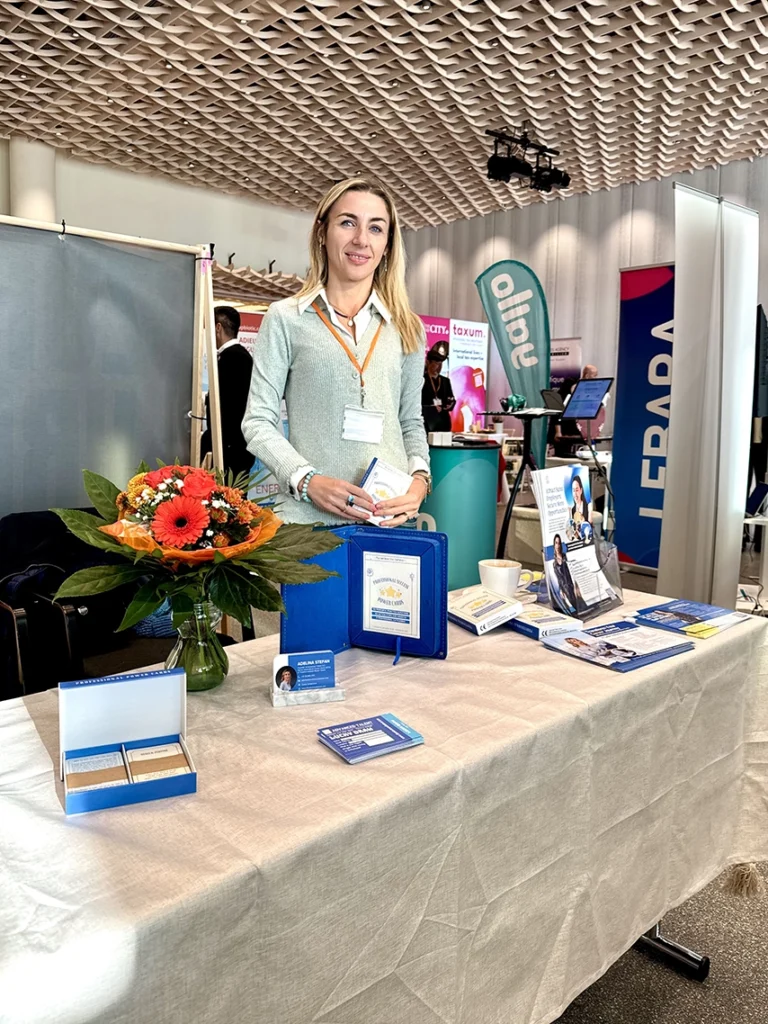
Thinking about an expat spouse’s career in Switzerland can feel overwhelming. Many highly skilled partners arrive motivated, only to face a slower reality. I went through this phase myself and see many of my clients struggle to find a job in the beginning.
The Swiss job market values precision, local experience, and long-term commitment. Understanding this early will help reduce frustration.
Finding a Job as an Expat Spouse
The local job market in Switzerland is competitive and structured. Many roles are filled through networks rather than public job boards. I know this can feel discouraging if you are new and still building connections. But still, whenever you find a job advertisement that interests you, do apply as soon as possible.
Remember, your CV also needs local adaptation and tailoring. Swiss CV has its own style and format, and using the wrong format can get you rejected right from the beginning.
Language expectations play a major role. Even when a role is international, local language skills are often preferred. Without them, options may stay limited at first.
This does not mean finding a job is impossible. It means timing and preparation matter more than speed.
Alternative Career Paths
Because of these constraints, alternative paths can be powerful stepping stones. Freelancing or remote work allows you to stay active professionally. It can also provide income while you integrate locally.
Volunteering is another underestimated option. It helps you gain Swiss experience, practice language, and build a network. Many expat spouses use it as a bridge for a while rather than a final destination. Another option you can consider is further education and certifications, which can also open doors. Local credentials signal commitment and long-term intention. They often make a real difference with Swiss employers.
Career decisions in this phase are rarely obvious. Many spouses feel stuck between waiting and forcing progress. This is where an external perspective can help.
If you need clarity, I offer a short clarity call. In just twenty minutes, we review your background, answer your specific questions, provide tailored insights and feedback, and discuss realistic expectations and practical next steps. You’ll receive guidance from a senior coach who understands the Swiss context and expat transitions and can address your individual concerns. You can book a call HERE.
Social Life and Support Networks for Expat Spouses
Social life often becomes one of the quieter challenges of expat life. Even with a strong understanding of intercultural dynamics, Swiss values, and social norms, I found building meaningful connections in Switzerland required far more patience and consistency than expected.
Knowing the theory did not fully prepare me for the emotional impact. Like many expats, I experienced culture shock after the honeymoon phase.
For many expat spouses, expat groups, either online or in-person, are the first point of support. They offer quick understanding and shared experiences. In the early months, this familiarity can be grounding.
Over time, when you have a certain skill in local languages, if you intend to start looking for local connections, clubs, associations, and volunteering can be a good option. These relationships tend to develop more slowly, but they often feel more stable. Swiss social life is built around regular activities and shared commitments. Showing up repeatedly matters more than making a strong first impression.
Volunteering, in particular, supports expat spouse integration in multiple ways. It creates purpose, encourages language use, and builds trust naturally. Many lasting connections grow from these structured environments.
Many people tell me they find it difficult to build friendships with locals. In my case, I was fortunate to already have a Swiss friend before moving here a decade ago, as I had visited them a few years earlier, long before I could have imagined living in Switzerland.
At the same time, I also observe that some expats are not fully willing to engage beyond their comfort zone. Many have lived here for years while speaking only English, forming friendships mainly with other expats or people from their home country. I respect that choice, but it also means accepting a different depth of connection with the country you live in.
Neither path is wrong, but they lead to very different experiences.
Daily Life in Switzerland for Expat Spouses
Living in Switzerland as an expat looks simple from the outside, but in reality, daily life comes with adjustments that take time to understand. Many of these details are not explained unless you actively look for them.
One of the first shocks is the cost of living. As you already know, Switzerland is expensive, and this affects everyday decisions. Housing, groceries, childcare, transport, and health insurance add up quickly.
This does not mean life here is unaffordable. It means budgeting needs to be intentional from the start. Many expat spouses need time to recalibrate what normal spending looks like.
Healthcare is another area that often surprises newcomers. Health insurance is mandatory, but you have up to three months after arrival to register. When you sign up, the premiums are charged retroactively from your arrival date.
This means the first months can feel financially heavy. Paying several months of insurance at once catches many people off guard. So take my heads-up and get yourself prepared for it. Understanding this early helps avoid stress later.
Swiss daily life is also shaped by strong cultural norms. Punctuality is taken seriously and signals respect. Being late, even by a few minutes, can be noticed.
In general, people are polite, as they are everywhere else, but more reserved, especially at first. Personal questions and emotional openness often come later, only after trust is built.
Rules are another defining feature. They exist to keep systems running smoothly. You might find certain rules strange and completely non-existent in your own country.
For example:
- People should not throw glass in the recycle bin on Sunday (because it causes such a horrendous noise on a peaceful day off)
- No noise after 10 pm in your apartment, sometimes, not even the sound of toilet flushing, depending on where you live and your neighbours (Yes, I know, it’s weird)
- Almost all apartment buildings have a common laundry room in the basement, and there is a schedule for using the washing machine that everyone should strictly follow (imagine it’s your slot to do the washing, but someone else already used the machine…)
This is why you must do a lot of research before coming, or once you’re here, try to talk to people as much as possible so that you have more info on other unwritten rules. Once you understand them, daily life becomes easier and more predictable.
Planning Ahead for 2026 Changes
Planning for Switzerland expat life in 2026 means accepting uncertainty. You might see new policies evolve, and expectations around integration continue to rise.
Residence permits, work conditions, and language requirements are areas you need to watch closely. Changes often happen quietly through cantonal rules rather than national headlines. This is why staying informed matters more than reacting later.
One concrete area to start with is language. Even basic German or French changes how authorities, employers, and locals interact with you. In 2026, language skills are increasingly seen as a sign of commitment, not just convenience.
Another strategic move you can consider is skill development, while you don’t know what to do next in your new life chapter. Local certifications, short courses, or recognized qualifications carry real weight here. Switzerland always prioritizes Swiss qualifications over others. I also did my Master’s in University of Bern, and it really opened doors to more opportunities in Switzerland.
When you just move in, I just wanna say that the first year is usually about settling and learning. It helps to think in timelines rather than quick wins. Don’t stress yourself out and think you have to catch up with everything. It’s the normal rhythm, and things in Switzerland often take longer than in other countries.
Another important step is proactive research. Do not rely solely on advice from friends or social media. Rules can vary significantly depending on the canton, employer, and permit type.
I always recommend checking official sources regularly and asking direct, specific questions. It is also worth speaking with your partner’s employer about permit support and possible sponsorship for intercultural or career coaching for the accompanying partner. Many companies have a budget for this type of support.
If information feels unclear or inconsistent, consult a legal or migration specialist as early as possible. Professional guidance can prevent costly delays and unnecessary stress.
Swiss people love planning, and that’s one skill you’re gonna learn a lot living here. Planning does not mean controlling everything. It simply means being informed enough to make the right decisions here.
Common Mistakes Expat Spouses Make and How to Avoid Them
Many challenges expat spouses face are not caused by Switzerland itself. They often come from understandable, but avoidable patterns. I made some of these mistakes too, before I learned to adjust.
One common mistake is waiting too long to integrate. It is easy to stay in survival mode and postpone effort. However, the longer you wait, the harder it becomes to build momentum.
Ignoring language learning is another frequent trap. You can get by in English for a while, especially in international settings. But without local languages, daily life and opportunities remain limited.
Comparing Switzerland to your home country is another source of frustration. Systems, habits, and social norms work differently here. When you integrate into a new country, it’s natural to notice the differences between Switzerland and your experiences with other countries.
However, don’t pay too much attention or keep asking yourself why it is like that. Accept new rules with an open mind, and you’ll get used to it faster than you think.
Many expat spouses also expect quick social acceptance. Friendships in Switzerland develop really slowly and quietly. This pace can sometimes feel personal, but it is cultural, not a rejection.
Avoiding these mistakes starts with awareness. Small, consistent effort matters more than dramatic change. Integration should be built through daily choices, not pressure.
How Intercultural Career Coaching and Guidance Can Help Expat Spouses
At some point, many expat spouses feel stuck. They are active, capable, and motivated, yet unsure of the next step. This is often where outside guidance becomes useful.
Most of the time, you cannot see a label from inside a jar, so it’s a good idea to consult someone else who has an impartial view and can guide you to make the decisions that are aligned with you.
Intercultural Career Coaching for expats also supports confidence, one of the most common and biggest barriers I see among them. The Swiss labour market can seem intimidating, and the cultural differences are often not understood enough.
That’s why people often blame themselves when they get stuck here. Coaching can help you reconnect with your strengths and experience. This is especially important after career breaks or identity shifts.
Most importantly, coaching helps align personal growth with Swiss reality. It bridges ambition with what is possible here and now. This balance makes progress sustainable instead of exhausting.
If you’re feeling a bit lost or don’t know which step to take to build your new career in Switzerland, I might be able to help. This is where to contact me whenever you need quick guidance.
Final Thoughts on Embracing Your Swiss Chapter Together
Expat life in Switzerland is rarely simple. Challenges are real, even when the country feels safe and well-organized. But struggling does not mean you made the wrong choice.
Moving abroad with a partner reshapes both lives. It requires adjustment, patience, and honest communication. These changes are part of building something new together.
Proactive planning makes this journey calmer. Learning the system, preparing early, and asking questions reduces stress. Each step forward builds confidence.
Most importantly, your role here matters. You are not dependent or secondary. You are actively shaping your Swiss chapter.
With time, effort, and self-trust, life in Switzerland can become fulfilling. Not by copying others, but by building a new version that fits you.
That is where real integration begins.
Author’s note: My perspective here is informed by my Master’s research on intercultural training, which I later published in Advancing Intercultural Perspectives through Corporate Training. This research highlighted and focused on the Swiss market. Previously, one year before my master’s programme, my MBA research explored HR practices in multinational organisations, specifically how the well-being of an accompanying or trailing spouse directly influences professional success in international assignments.
FAQs About Being an Expat Spouse in Switzerland
Can expat spouses work in Switzerland?
Yes, many expat spouses can work in Switzerland, but conditions vary.
Your right to work depends on your residence permit and nationality.
EU and EFTA spouses usually have easier access, while non-EU spouses may need additional authorization.
It is important to check your individual permit conditions before accepting a job.
Is Switzerland hard for expat spouses?
Switzerland can feel challenging, especially in the first year.
The system is structured, social life develops slowly, and language matters more than expected.
That said, many expat spouses build fulfilling lives once they understand how things work.
How long does integration take?
Integration is not a fixed timeline.
For most expat spouses, the first year is about settling and learning.
Deeper social and professional integration often takes two to three years.
Is learning German mandatory?
Learning German is not always legally mandatory.
However, it is essential for long-term integration and career opportunities.
Even basic language skills improve daily life and social connections.