

Imagine receiving the call you’ve been waiting for.
An exciting role. International career growth. A competitive salary. The opportunity to build a future in one of the world’s most attractive countries.
After months of applications, interviews, and uncertainty, it finally feels like everything is falling into place.
But moving to Switzerland with family is rarely just one person’s transition. You are not the only person making this move. Your partner and your children are, too.
Daily routines, friendships, schools, support networks, and familiar surroundings are all being left behind.
I know this experience personally. When I moved to Switzerland, I relocated to join my partner. At the time, we were not yet married, which meant I had to secure my own residence permit and build my own professional path forward. When I first arrived, I already held a Bachelor Degree in Linguistics and I was completing an MBA research in Swiss HR Practices and Cultural Diversity sponsored by a UK university.
However, I was told these were not Swiss degrees, which would give limited chances for employment. Hence, the next logical step for me was to earn a Master’s Degree from a Swiss University, which I did. It was a tough period, juggling many things at once: studying, working, learning a new language, building a new social and professional network, and creating a new life in Switzerland, while also starting a family.
Looking back, I’m always grateful to this strategic decision which opened up many opportunities and brought me to the practice of coaching, and gave me a true sense of belonging in Switzerland.
Relocating successfully is about much more than crossing a border or starting a new job.
A successful relocation is not measured only by career progression or salary growth. It is measured by whether the entire family feels secure, connected, supported, and able to build a meaningful life in their new environment.
When one family member struggles, the impact is often felt by everyone.
This is why relocation conversations should start long before challenges appear, and long before the family arrives in Switzerland.
TL;DR – Moving to Switzerland With Family Requires More Than a Job Offer
Moving to Switzerland with family can be an exciting career opportunity, but a successful relocation depends on much more than securing a job offer.
The biggest challenges often come after the move: helping your partner and children adapt, building a sense of belonging, understanding the culture, and creating a new life together.
Key takeaways:
- A great career opportunity does not automatically mean a successful relocation.
- Family readiness and support play a major role in long-term happiness abroad.
- Partners and children experience the transition differently and need space to adapt.
- Building connections, understanding Swiss culture, and creating routines help families settle faster.
- The best relocation decisions consider both professional growth and family wellbeing.
Why Moving to Switzerland Is a Family Transition, Not Just a Career Move
When people talk about relocating to Switzerland, the conversation often focuses on the job.
The offer. The salary. The career opportunity. The visa process.
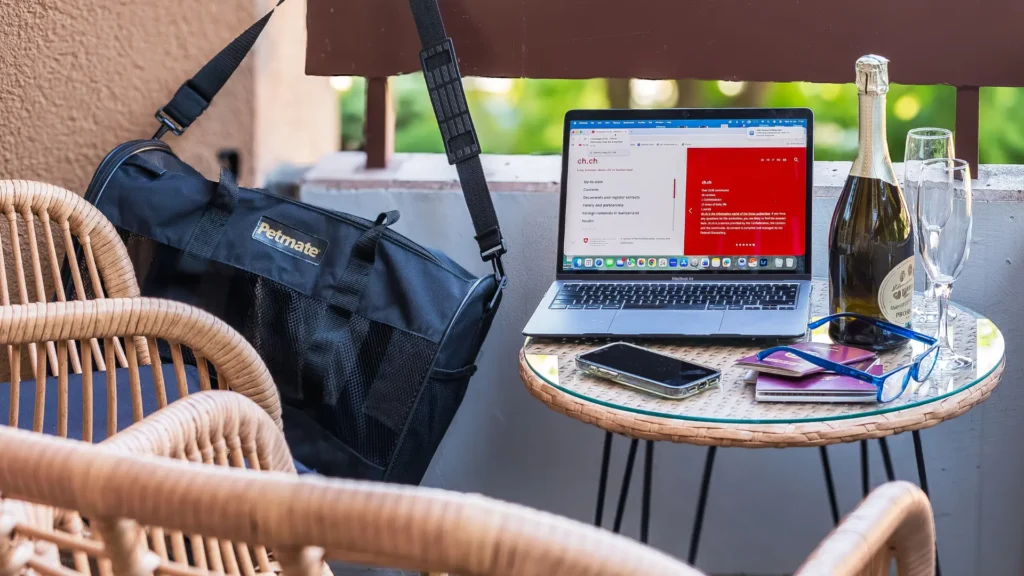
All of these things matter.
However, relocation is about much more than employment.
Moving to a new country affects identity, relationships, routines, friendships, daily habits, and expectations. Every member of the family experiences these changes in a different way.
For the employee, the transition often feels more straightforward.
There is a reason for being there. A new role to step into. Colleagues to meet. Projects to work on. A daily schedule that provides structure and direction from the very beginning.
The rest of the family often starts from a very different place.
Partners may be leaving behind careers, professional networks, friends, and familiar routines.
Children may be saying goodbye to classmates, teachers, activities, and places that feel safe and familiar.
Even simple tasks can suddenly require more effort. Shopping, making friends, understanding local customs, or navigating a different language can all feel unfamiliar at first.
Relocation means different family members are experiencing different transitions at the same time.
To understand why family wellbeing plays such an important role in relocation success, it helps to look more closely at what changes for the employee compared with everyone else making the journey alongside them.
The Employee Has a Role. The Family Has to Build a New Life.
One reason relocation can feel very different for each family member is that the employee usually arrives with something important already in place.
A role.
Work provides structure from day one. There are colleagues to meet, projects to work on, meetings to attend, and a routine that creates a sense of purpose.
Even social connections often begin naturally through the workplace.
For partners, the experience can be very different.
Many arrive without a professional network, a daily routine, or a clear sense of what comes next. Some have paused successful careers. Others have left behind businesses, clients, friends, and communities they spent years building.
The result can be a period of uncertainty that few people fully anticipate before the move.
Children face their own transition.
They may be adjusting to a new language, a different school system, unfamiliar social norms, and the challenge of making new friends.
Some children adapt quickly.
Others need more time to find their place and feel comfortable in their new environment.
This is why relocation should never be viewed only through the employee’s experience.
A move can appear highly successful from the outside. The job is going well. The salary is good. The family has found housing and completed the paperwork.
Yet behind the scenes, different family members may be navigating very different challenges.
The emotional side of relocation is often underestimated because the move appears successful on paper.
The Expectations Gap, What Many Families Don’t Anticipate
Most families invest a great deal of time preparing for the practical side of relocation.
They research visas, permits, schools, housing, healthcare, banking, and countless administrative details.
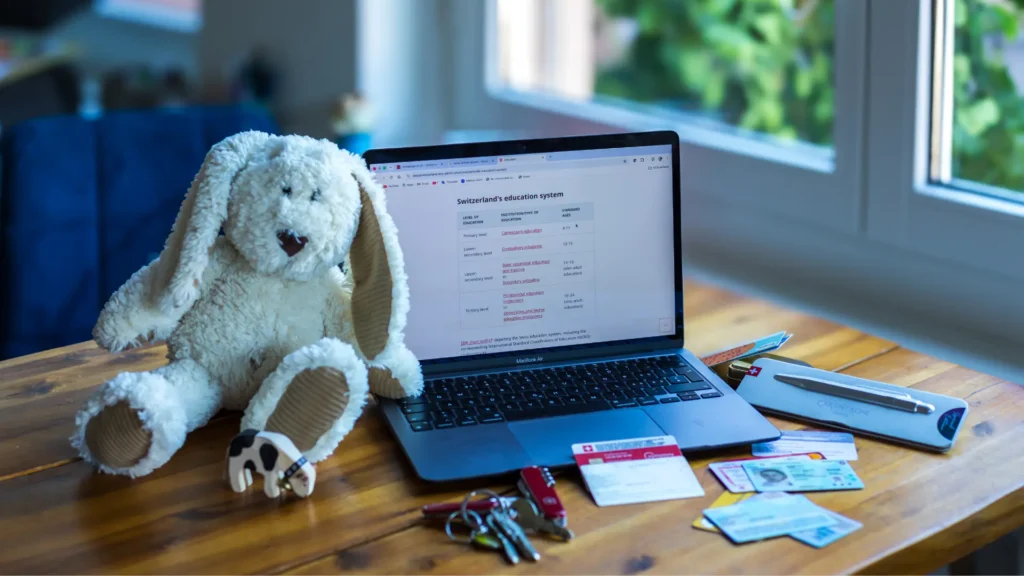
These preparations are important.
However, there is another side of relocation that often receives far less attention.
Few families spend the same amount of time preparing for uncertainty, loneliness, culture shock, changing family dynamics, or the challenge of rebuilding a social life from scratch.
As a result, many people arrive in Switzerland feeling well prepared for the logistics of the move, but less prepared for the emotional transition that follows.
This does not happen because families failed to plan properly.
It happens because emotional adaptation is harder to anticipate than paperwork, housing searches, or school applications.
You can create a checklist for administrative tasks, but it is much harder to create a checklist for feeling at home.
This gap between expectation and reality is common in international relocations.
It usually appears in two ways.
The first is how families imagine life in Switzerland before they arrive. The second is how the emotional experience of relocation unfolds once everyday life begins.
Switzerland Can Be Wonderful and Challenging at the Same Time
There is a reason so many professionals and families are attracted to Switzerland.
The country offers exceptional infrastructure, high levels of safety, political stability, excellent public services, and an outstanding quality of life.
For many families, these advantages are exactly what motivated the move in the first place.
At the same time, relocating to Switzerland still means starting over in many areas of life.
Switzerland consistently ranks high for quality of life but lower for ease of settling in, which is exactly the gap many families don’t anticipate.
A family can appreciate everything the country has to offer and still find the adjustment difficult at times.
Learning a new language can take longer than expected.
Building friendships often requires patience.
Understanding local customs, social norms, and cultural expectations takes time.
Even everyday situations can feel unfamiliar during the first months.
This is completely normal.
One of the most common misconceptions about international relocation is that moving to a highly desirable country automatically makes the transition easy.

In reality, every relocation involves change, uncertainty, and adaptation.
The quality of the destination does not remove the challenges of starting a new chapter. It simply provides a strong foundation on which that new chapter can be built.
The Honeymoon Phase and the Reality Phase
Many international relocations begin with a period of excitement.
Everything feels new.
There are new places to explore, new experiences to enjoy, and a sense of momentum that comes from starting an important new chapter.
For many families, the first weeks can feel like an adventure.
A few months later, the novelty begins to wear off and everyday life takes over.
The administrative tasks have mostly been completed.
Work becomes routine.
The excitement of arrival fades, and the reality of building a life in a new country becomes more visible.
This is when feelings such as frustration, loneliness, homesickness, or self-doubt may start to appear.
Some people begin to miss familiar routines. Others miss friends, family, or the sense of confidence that comes from knowing exactly how things work.
Parents may start wondering whether the move was the right decision. Partners may question how long it will take to feel settled. Children may become more resistant to school or social activities.

This phase can feel unsettling, especially when families were expecting the transition to become easier with time.
Yet, it is one of the most normal parts of relocation.
Experiencing a temporary dip in confidence or enthusiasm does not mean the move was a mistake.
It often means the family is moving from the excitement of arrival into the deeper process of adaptation.
When families understand this in advance, they are less likely to panic when it happens.
Instead of seeing it as a sign of failure, they can recognize it for what it usually is.
A natural stage in the journey of building a new life.
The Hidden Impact of Relocation on Partners and Children
The challenges of relocation are often easiest to see through the experience of the partner and the children.
From the outside, the move may appear to be progressing smoothly.
The employee has started work. The family has found housing. School has begun. The practical tasks are being completed.
Yet, beneath the surface, each family member may be adapting to a completely different reality.
This is especially true for partners and children, whose transitions often receive less attention despite having a significant impact on the success of the relocation.
When One Partner’s Career Moves Forward and the Other Has to Start Again
One of the most overlooked aspects of international relocation is the professional transition experienced by the partner.
Many accompanying partners are accomplished professionals in their own right.
They may have spent years building careers, growing businesses, developing expertise, and creating strong professional networks.
Relocation can suddenly interrupt that progress.
A partner who felt confident and established before the move may find themselves asking entirely new questions.
- How does the Swiss job market work?
- Will my qualifications be recognized?
- Do I need additional language skills?
- How do I rebuild a professional network from zero?
- How long will it take to find meaningful work again?
The uncertainty can be difficult, especially for people who are used to being independent and professionally successful.
In some cases, the challenge is not only financial, but also personal.
Work often provides purpose, identity, confidence, and social connection. When that disappears overnight, it can leave people feeling disconnected from a part of themselves.
This is why it is important to avoid thinking of relocation as one person’s career move.
The partner is also navigating their own transition: adapting to a new country, rebuilding professional confidence, creating new social connections, and often redefining what success looks like during a period of significant change.
When this transition is acknowledged and supported, families are often better equipped to adapt together.
When it is overlooked, frustration and isolation can quietly grow beneath what otherwise appears to be a successful relocation.
If you’re moving to Switzerland with your partner soon, check out our complete practical guide to preparing as an expat spouse in Switzerland.
Why Partner Integration Can Influence the Success of the Entire Relocation
When discussions about relocation focus exclusively on the employee, an important reality can be missed.
Family well-being and professional success are closely connected.
If a partner feels isolated, professionally stuck, or disconnected from their new environment, the effects rarely stay contained to one person.
Stress can increase throughout the household, and the emotional energy required to support one another also increases.
At the same time, the employee is often trying to perform well in a new role, build credibility, and adapt to a new workplace culture.
When challenges arise at home, maintaining focus at work naturally becomes more difficult.
Some employees begin questioning whether the relocation is sustainable in the long term.
Others may become less engaged professionally as family concerns demand more of their attention.
This is why partner integration should not be viewed as a secondary issue.
It is part of the relocation itself.
When partners build social connections, discover new opportunities, and develop a sense of belonging, the benefits are often felt across the entire family.
Everyone gains greater stability, confidence, and capacity to adapt.
Successful relocations are rarely built around one person’s success alone.
They are built when the family as a whole begins to thrive.
Children Are Relocating Too and Their Adjustment Looks Different by Age
Children experience relocation differently from adults.
Their concerns are often smaller in appearance but just as significant in their daily lives.
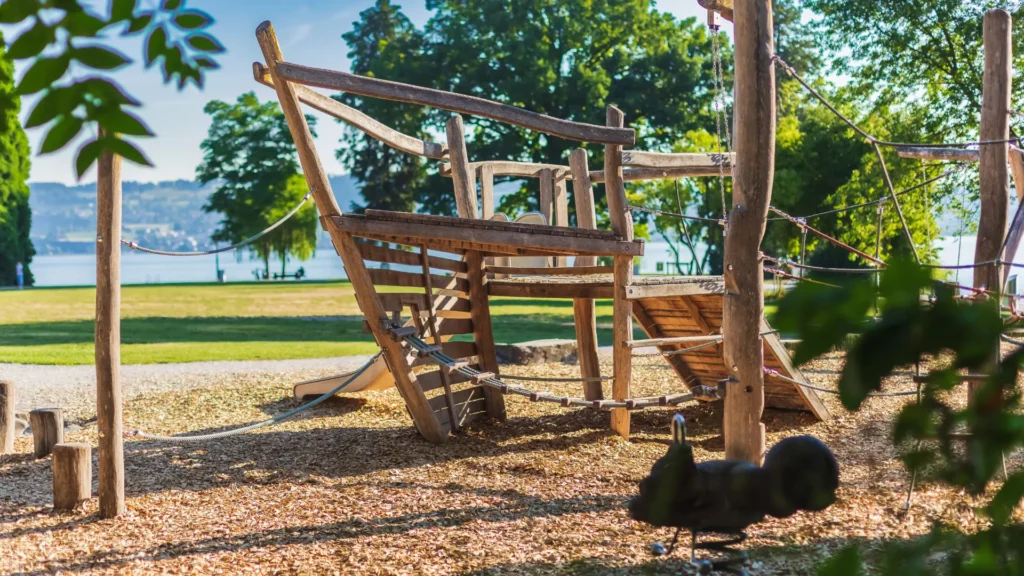
For a young child, the challenge may be understanding a new language, adjusting to unfamiliar routines, or finding confidence in a new playground.
For a teenager, the experience can be far more complex.
They may be leaving behind close friendships, familiar social groups, extracurricular activities, and a sense of identity that has taken years to develop.
Starting over socially during adolescence can feel particularly difficult.
Parents are often surprised by how long some adjustments take.
Learning a new language, adapting to a different education system, and feeling comfortable in a new social environment rarely happen overnight.
Children also do not always communicate their struggles directly.
Instead of saying they feel lonely or overwhelmed, they may become quieter than usual.
Others may appear frustrated, withdrawn, or resistant to school and activities they previously enjoyed.
These reactions do not necessarily indicate that something is wrong.
More often, they are signs that the child is working through a major life transition.
This is why supporting children through relocation requires patience and age appropriate support.
What helps a six year old feel secure may be completely different from what helps a sixteen year old.
The most successful families recognize that each child experiences relocation in their own way and needs support that reflects their stage of life.
This pattern is backed by research on expat children’s adjustment, which has found Switzerland’s high quality of life doesn’t necessarily make it an easy place for children to settle into socially.
Beyond Practical Relocation, Building a Sense of Belonging
By this stage, many of the practical aspects of relocation are already underway.
The permits have been approved.
The housing has been arranged.
The children have started school.
Work has begun.
Yet once the logistics are in place, a deeper question often emerges.
How do we create a life that truly feels like ours?
This question has less to do with paperwork and administration.
It has so much more to do with identity, connection, and belonging.
People Don’t Just Relocate Their Possessions
When families move to a new country, they bring much more than suitcases and furniture.
They bring habits, traditions, relationships, ambitions, and expectations about the future.
They also bring a sense of who they are.
Relocation often challenges that sense of identity in ways people do not expect.
A professional who felt highly confident in their home country may suddenly feel uncertain in a new environment.
A partner who had a strong social network may find themselves starting again from the beginning.

Children who knew exactly where they belonged may need time to find their place in a new school and community.
This is why international relocation is about more than changing locations.
It is also a process of personal transformation.
Families are not simply adapting to a different country.
They are gradually building a new version of everyday life.
Along the way, they begin creating new routines, new relationships, and new ways of feeling at home.
The practical move may happen in a matter of weeks.
The personal transition often takes much longer.
Why Belonging Matters More Than Settling In
Many families reach a point where life in Switzerland appears settled. On paper, the relocation is complete.
However, settling in and belonging are not the same thing.
Settling in is about logistics.
Belonging is about connection.
Belonging is having people you can call when you need help, feeling comfortable in your local community, having friendships, routines, and places that feel familiar.
It also means developing the confidence to navigate everyday life without constantly feeling like an outsider.
For many families, this is the stage that takes the longest. Administrative tasks can often be completed within weeks or months.
Building meaningful relationships and feeling truly at home may take much longer.
This is also why some families appear fully settled while still feeling disconnected beneath the surface.
Everything is functioning, yet something still feels missing.
Over time, belonging develops through small moments.
A child making their first close friend.
A partner finding a new professional community.
Neighbours becoming familiar faces.
Family traditions taking root in a new environment.
Gradually, Switzerland stops feeling like a place where the family lives.
It starts feeling like home.
As one relocation expert put it,
“Relocation becomes successful not when the boxes are unpacked, but when the family begins to feel at home.”
That is often the real milestone families are working toward.
What Successful Families Do Differently Before Moving to Switzerland
So what separates families who adapt well from those who struggle?
There is no perfect formula.
Every family is different, and every relocation experience is unique.
However, certain patterns recur among families who successfully build lives in Switzerland.
The difference is not that they avoid challenges.
The difference is that they prepare for them.
They Prepare Emotionally, Not Only Logistically
Most families spend months preparing the practical side of relocation. They research visas, permits, schools, healthcare, housing, and finances.
These preparations are essential.
However, successful families also prepare for the emotional side of the move.
They talk openly about expectations, concerns and uncertainties.
They acknowledge that different family members may experience the transition differently.
Some conversations can be surprisingly simple.
- What are we most excited about?
- What are we most worried about?
- What do we think will be the hardest part?
- How will we support each other when things become challenging?
These discussions help families enter the relocation with realistic expectations rather than unrealistic pressure.
Most importantly, they create a shared understanding that adjustment is a family journey, not an individual one.
They Create a Plan for Everyone’s Success
One common mistake is treating relocation as primarily the employee’s project.
In reality, every family member needs a path forward.
The employee may focus on career goals, workplace integration, and professional development.
The partner may focus on networking, language learning, career opportunities, community involvement, or personal projects.
Children may need support with school transitions, social activities, routines, and age-appropriate emotional support.
When each family member has goals and opportunities of their own, relocation becomes more balanced.
Everyone has something they are building toward and a reason to invest in the new chapter.
They Accept That Adjustment Takes Time
Many families underestimate how long adaptation can take. They expect everything to feel normal after a few weeks or months.When challenges persist, they begin to worry that something is wrong.
In reality, adjustment rarely follows a predictable timeline.
Some people feel comfortable quickly. Others need much longer to build confidence, friendships, and a sense of belonging.
Neither experience is unusual.
Successful families understand that adaptation is a process. They do not interpret every difficult week as a sign of failure. Instead, they recognize that patience is part of relocation itself.
Building a new life takes time, and the goal is not to adapt perfectly. The goal is to keep moving forward together.
The Role Companies Can Play in Successful Relocations
The responsibility for a successful relocation does not rest entirely with the family.
Organizations also play an important role.
For companies investing significant time and resources to attract international talent, the same principle applies. Relocation success is about more than helping an employee arrive. It is about helping a family build a life that allows the employee to succeed over the long term.
When family integration is overlooked, the consequences can affect both the employee and the organization.
Why Intercultural Coaching and Family Support Matter
Many relocation packages focus on the practical aspects of the move.
Visas, permits, flights, temporary accommodation, and housing support are all important.
They help families get established quickly and reduce administrative stress.
However, practical support alone is rarely enough.
The challenges that emerge later are often social, cultural, and emotional rather than logistical. Families may struggle to understand local norms. Partners may feel isolated or uncertain about their future. Children may take longer than expected to adjust to a new environment.
This is where additional support can make a meaningful difference.
Intercultural training and coaching can help families understand local expectations and avoid common misunderstandings.
Career support for partners can help them maintain momentum and confidence during the transition.

Relocation coaching and integration guidance can provide practical strategies for building community, navigating change, and creating a sense of belonging.
Ultimately, the goal is to help them build a successful life once they arrive.
The Cost of Ignoring Family Integration
When family integration is treated as an afterthought, the risks extend beyond personal well-being.
Employees who are worried about their family’s adjustment may struggle to focus fully on their role.
Some begin questioning whether they can remain in Switzerland long-term. Others may become less engaged or decide to leave earlier than expected.
In the most difficult situations, a relocation assignment may end prematurely despite the employee being highly capable and professionally successful.
For employers, this can lead to additional recruitment costs, replacement costs, lost productivity, and the expense of repeating the relocation process.
By contrast, organizations that support family integration often create stronger foundations for long-term retention and employee engagement.
Supporting families is certainly the right thing to do, and it is also a smart business decision.
When families thrive, employees are more likely to thrive as well, so it is a win-win for both parties.
Conclusion: Moving to Switzerland Successfully Requires a Bigger Definition of Success
Receiving the job offer is an exciting moment: The salary, the career opportunity, and the chance to build a future in Switzerland.
However, these are only part of the story.
The real measure of a successful relocation is not simply whether the employee gets the job.
It is whether the family builds a life where everyone can thrive.
The most successful relocations are rarely the result of perfect planning. They happen when families prepare for both the practical and emotional realities of the move.
They understand that adjustment takes time. They create opportunities for every family member to grow. And they focus not only on settling in, but on building a genuine sense of belonging.
Moving to Switzerland can be one of the most rewarding decisions a family makes.
The earlier you prepare, the smoother that journey often becomes.

If you or your partner are considering a move to Switzerland, I invite you to schedule a clarity call with me.
Together, we can map out a relocation strategy that goes beyond permits, housing, and paperwork.
We will explore the questions you should be asking a future employer, identify potential challenges before they arise, and create a plan that supports every member of your family.
I will also help you understand the cultural expectations, workplace norms, and everyday realities of life in Switzerland so you can arrive with greater confidence and fewer surprises.
Because a successful relocation is not just about moving to Switzerland.
It also means building a life that feels like home.
Frequently Asked Questions About Moving to Switzerland With Family
Is moving to Switzerland with family difficult?
Moving to Switzerland with family can be both exciting and challenging.
Most families prepare thoroughly for visas, housing, schools, and administrative tasks. What often comes as a surprise is the emotional side of the transition.
Language differences, cultural adaptation, social integration, and rebuilding routines all take time. The good news is that these challenges are manageable when families prepare for them before the move and approach relocation as a shared family journey.
How can partners adapt after relocating to Switzerland?
Successful adaptation often starts with building a life beyond the relocation itself.
Many partners benefit from networking, joining local communities, learning the local language, exploring career opportunities, and developing personal goals that create purpose and structure.
The most important step is recognizing that the partner is not simply supporting someone else’s relocation. They are navigating their own transition and deserve support, opportunities, and a plan for their future as well.
Why do some international relocations fail?
In many cases, relocation challenges are not caused by the employee’s professional performance.
The more common issue is family adaptation.
If a partner struggles with isolation, a child has difficulty adjusting to school, or the family never develops a sense of belonging, the relocation can become increasingly stressful for everyone involved.
This is why successful relocations focus on the well-being of the entire family, not only the employee’s career.
Do companies in Switzerland support family relocation?
Support varies from one employer to another.
Many companies provide assistance with visas, permits, housing, and other practical aspects of the move.
Increasingly, employers are also recognizing the value of family integration support, including intercultural training, career transition coaching, language learning assistance, and partner support programs.
Organizations that invest in the well-being of the whole family often see stronger employee engagement, better retention, and more successful long-term relocations.