
Building your leadership identity in Switzerland starts with a surprising realisation that the reputation you spent years building does not always travel with you.
You led teams. Solved difficult problems. Earned the trust of colleagues, clients, and senior leaders.
People knew your name. Your opinion carried weight. Opportunities often came to you because of the reputation you had built over many years.
Then, you moved to Switzerland.
Almost overnight, that familiar sense of professional identity disappeared.
That can be one of the hardest parts of relocating as a senior professional. you suddenly feel like you have to prove yourself all over again.
Many senior expats quietly ask themselves the same question.
“Am I starting from zero?”
Well, my answer to you is no.
You are not starting over. You are starting somewhere new.
Your reputation did not cross the border with you. Your network stayed behind. The trust you spent years building now has to be rebuilt in a different market.
That can make you feel invisible.
However, there is an important difference between being invisible and being unknown.
In this article, you’ll learn why so many experienced professionals go through this transition after moving to Switzerland. More importantly, you’ll discover how to rebuild your leadership identity, earn trust in a new market, and become known for the value you already bring.
TL;DR — Key Takeaways
Building your leadership identity in Switzerland is not about becoming someone new. It is about helping others recognise the leader you have always been.
Why senior expats feel invisible:
- Your reputation, network, and trust did not travel with you
- Swiss employers do not know your track record or your leadership style
- Confidence naturally takes a hit when you are unknown in a new market
The 5-step framework to rebuild your leadership identity:
- Rediscover the leader behind the job title — what has remained consistent throughout your career?
- Help Swiss employers understand your value — translate your experience into language that resonates
- Become visible before you need an opportunity — LinkedIn, events, speaking, contributing
- Build relationships before you need them — focus on trust, not transactions
- Lead with confidence while your reputation catches up — your leadership did not disappear, only your visibility did
Real story:Antonio, a non-EU civil engineer, landed a job in less than 6 months. Not through applications alone, but by building relationships, volunteering, and creating opportunities through genuine connections.
The bottom line: You are not invisible. You are simply unknown. And unknown can be changed — one conversation at a time.
Why Senior Expats Feel Invisible and What It Can Cost Them
Stepping into a new country also means stepping into a different professional culture. The way trust is built, opportunities are created, and leadership is recognised may not be the same as what you were used to.
That adjustment can feel unsettling, even for the most experienced professionals.
If any of what follows sounds familiar, you are far from alone.
The Reputation That Stayed Behind
A strong reputation takes years to build.
It grows through successful projects, trusted relationships, and countless conversations where people see your work firsthand. That reputation becomes one of your greatest professional assets.
When you move to Switzerland, that history does not disappear.
It simply stays where it was built.

The people around you have not seen the teams you led or the challenges you overcame. They have not yet experienced the value you bring.
You are building trust with people who are meeting you for the first time.
The Rules Have Changed
Every country has its own way of recognising experience.
The job title that opened doors in your previous market may not carry the same meaning in Switzerland. Even certifications or professional credentials may require additional recognition or further training before they are fully understood or accepted.
You may also find that companies, industries, or achievements that are well-known in your home country require more context here.
None of these takes away from what you have accomplished.
It simply means you need to communicate your experience in a way that resonates with a new audience.
When Confidence Starts to Feel Fragile

Even the most confident leaders can begin to question themselves in a new environment.
You hesitate before introducing yourself. You wonder whether your experience is relevant. You find yourself explaining things that never needed explaining before.
For many senior professionals, this is the biggest surprise.
Back home, your work spoke for itself. People already knew your story.
Now you have to tell it again.
That can feel uncomfortable.
I’ve seen many professionals grow into self-doubt. They even start turning down opportunities to speak, network, or put themselves forward.
The less visible you become, the harder it is for others to discover the leader you already are.
Why Visibility Matters
Feeling unknown is not just an emotional experience.
It can also influence your career.
Many senior opportunities are filled through conversations, referrals, and trusted relationships long before they appear on a job board. If the right people do not know who you are or what you bring, those opportunities may never reach you. I have explained in depth why qualified professionals struggle in Switzerland and why it has very little to do with their CV.
This does not mean your career has reached a dead end.
It simply means visibility becomes part of your leadership strategy.
The good news is that visibility is something you can build. Just as you built trust and credibility before, you can build them again in Switzerland. The process may look different, but the principles remain the same.
The Framework to Rebuild Your Leadership Identity

Becoming known in Switzerland does not mean becoming someone different.
It means helping others see the leader you have always been.
I have helped hundreds of professionals go through this process, and that takes more than updating your CV or attending another networking event. It starts with understanding your own story and learning how to communicate it in a way that builds trust.
Here is the framework I use with senior professionals who want to rebuild their leadership identity with clarity and confidence.
Step 1. Rediscover the Leader Behind the Job Title
Many senior professionals describe themselves through the companies they worked for or the positions they held.
However, your leadership identity is much deeper than a job title.
Ask yourself a few simple questions.
- What has remained true throughout my career?
- What challenges do people consistently come to me to solve?
- What values guide the decisions I make?
- How do people feel after working with me?
The answers often reveal patterns you have stopped noticing because they come so naturally.
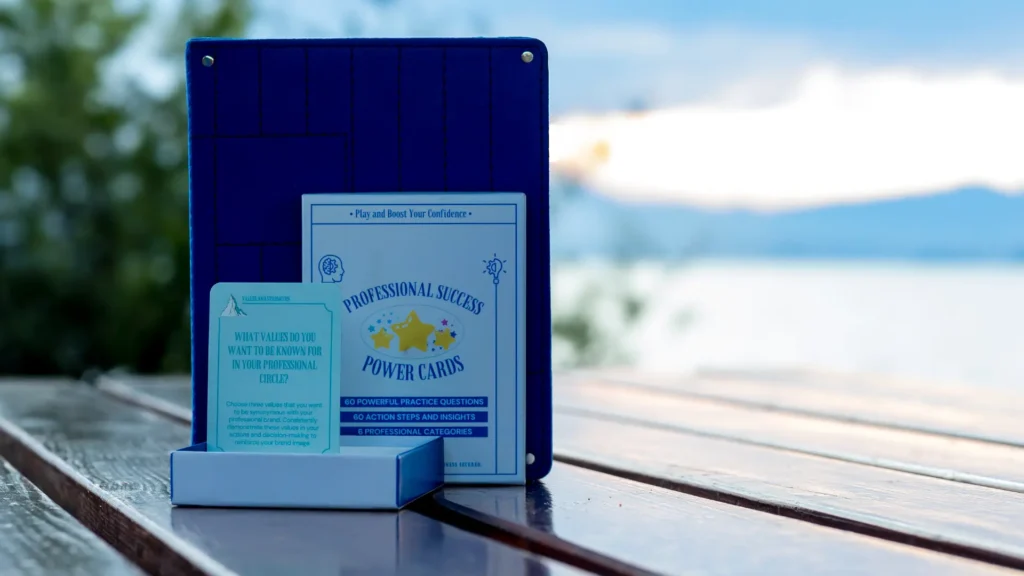
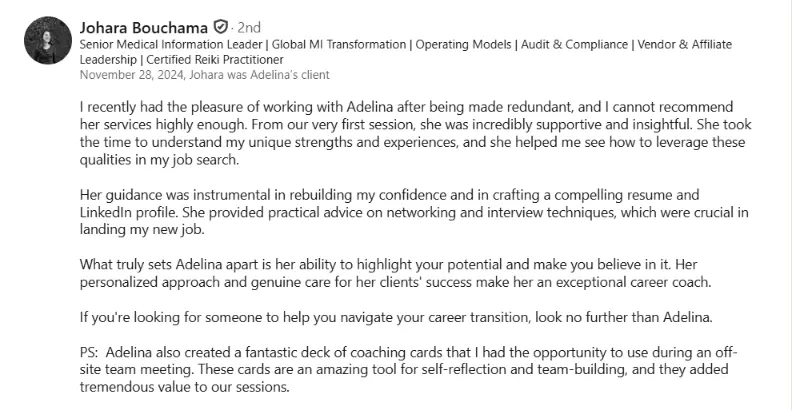
This is one of the reasons I use my Power Cards during coaching sessions. The Values and Strengths cards help clients uncover the qualities that have shaped their leadership for years. Together, we identify the common thread running through their career, even when their roles or industries have changed.
That story becomes the foundation for everything else.
Step 2. Help Swiss Employers Understand Your Value
Your experience has not lost its value.
It simply needs to be translated into a language that resonates with Swiss employers.
Different countries often emphasise different aspects of leadership. In Switzerland, decision-makers often look beyond titles. They want to understand how you create results, develop people, and contribute to long-term success.
Instead of describing what you managed, describe the difference you made.
For instance, rather than saying you led a team of fifty people, explain how you built a high-performing team that consistently delivered strong results.
The facts remain the same.
Only the perspective changes.
Step 3. Become Visible Before You Need an Opportunity
Many experienced professionals assume that good work will eventually speak for itself.
In a new country, people need to discover your work before they can appreciate it.
Visibility is not self-promotion.
It is about making it easier for the right people to find you, understand your expertise, and remember your name.
This might mean improving your LinkedIn profile, contributing your perspective to professional conversations, attending industry events, or sharing ideas from your own experience.
Choose one or two activities you can do consistently.
Small actions repeated over time build recognition.
Step 4. Build Relationships Before You Need Them

One of the biggest differences at senior level is how opportunities appear.
Many leadership positions are never advertised publicly. They emerge through conversations, referrals, and trusted relationships.
That is why networking should never feel like asking strangers for a job.
Instead, approach it with curiosity.
Get to know people. Learn about their work. Share your own experiences when they are relevant.
Focus on building genuine professional relationships rather than collecting business cards.
Trust grows gradually.
The stronger your relationships become, the more naturally opportunities begin to appear.
Read more: How to Build a Professional Network in Switzerland When You’re Starting from Scratch
Step 5. Lead With Confidence While Your Reputation Catches Up
Perhaps the most important step is remembering that your leadership did not disappear when you crossed the border.
Only your visibility did.
Your experience, your judgement, your ability is still real and valuable.
The challenge is not becoming a better leader.
The challenge is helping others recognise the leader you already are.
Before your next interview, networking event, or professional conversation, ask yourself one question:
Am I showing up as the leader I already know I am?
That small shift in mindset often changes the way others experience you.
Case Study: How Antonio Built His Leadership Identity in Switzerland and Got a Job Offer in Less Than 6 Months
In order to better illustrate my point and show you what’s possible, let me tell you about Antonio (name changed), who arrived in Switzerland as a trailing partner.
He is known a civil engineer with years of experience, but he faced several challenges at once. He was a non EU national, he did not yet speak German, and despite submitting applications, he was struggling to secure interviews.
Together, we worked on every part of his professional positioning.
First, I asked him to reflect his professional story and helped him understand how to strategically position himself. Only then, we refined his CV, LinkedIn profile, professional bio, and elevator pitch. We also prepared for interviews at the same time and went through Swiss workplace culture as well as employer expectations.
These changes gave him a much stronger foundation.
However, we also recognised that applying online alone was unlikely to be enough.
Instead of waiting for opportunities to appear, Antonio decided to create them.
While continuing his German classes, he began volunteering for a couple of weeks at a hotel in Lucerne. His goal was not simply to gain experience. It was to become part of the local community, meet new people, and start building relationships.

He made a genuine impression.
During his time there, he met someone from his home country whose spouse worked in the engineering sector.
That conversation led to a recommendation.
Instead of applying through the usual recruitment process, Antonio was introduced directly to the hiring manager.
The conversation went so well that the company created a role specifically for him.
He received an offer in October, less than five months after we started working together, despite the slower summer hiring period.
The position was an 80 percent role, giving him one day each week to continue improving his German while building his career in Switzerland.
His experience had always been valuable. The challenge was helping the right people discover it.
Once they did, everything changed.
What Senior Expats Often Get Wrong When Rebuilding Their Leadership Identity in Switzerland
Rebuilding your leadership identity is not about working harder.
Instead, you need to approach the transition differently.
Many senior professionals make the same assumptions when they arrive in Switzerland. They are understandable, but they can slow your progress.
The good news is that once you recognise them, you can make small changes that have a lasting impact.
They Focus on Impressing Instead of Building Trust
After years of success, it is natural to talk about your achievements.
You mention the companies you worked for, the size of your teams, or the budgets you managed.
Those accomplishments matter. However, they are only part of the picture.
Swiss employers and decision-makers are not only looking fobuir an impressive CV. They want to understand how you lead, how you collaborate, and whether they can trust you.
Instead of asking yourself, “How can I prove how successful I am?”,
Ask yourself, “How can I help this person understand the value I bring?”
The first approach seeks admiration.
The second builds trust.
They Wait for Their Experience to Speak for Itself
Many senior professionals built their careers through years of consistent performance.
Eventually, opportunities found them.
Relocating changes that dynamic.
People cannot recognise expertise they have never seen.

This is why visibility matters. Not because you need to promote yourself, but because you need to make it easier for others to discover your experience and understand what you offer.
That might mean joining industry conversations, attending professional events, or simply reaching out to people in your field.
You are not asking for a favour or a chance.
You are giving your reputation a chance to grow in a new environment.
They Underestimate the Emotional Side of Relocation
This may be the most overlooked part of the journey.
Moving to Switzerland is rarely just a professional transition.
It is also a personal one.
You may be adjusting to a new culture, a different language, and unfamiliar ways of working. If you relocated with a partner or children, everyone in the family is going through their own adjustment at the same time.
Your partner may be rebuilding a career or a social network. Your children may be settling into a new school. Together, you are creating new routines while leaving familiar ones behind.
It is completely normal for that to affect your confidence, your energy, and even how you see yourself as a leader.
Recognising this is not a sign of weakness.
It is part of adapting well.
In fact, professionals who acknowledge the emotional side of relocation often navigate the transition more successfully because they give themselves permission to adjust instead of expecting everything to feel familiar from day one.
If you are relocating with your family, you may also find it helpful to read my article about building a successful family transition in Switzerland. It explores how your personal and professional adjustments are often more connected than they first appear.
Read more: Moving to Switzerland with a Family? Why Well-being Matters More Than the Job Offer
The Bottom Line: You Are Not Invisible. You Are Simply Unknown
If there is one idea to take away from this article, let it be this.
Moving to Switzerland did not erase everything you built.
Your experience, your values are still yours, and your ability to lead has not disappeared.
What changed is your environment.
The people around you have not had the opportunity to see your leadership, your judgement, or the impact you create. That takes time, and more importantly, it takes intention.
The journey from invisible to indispensable is not about reinventing yourself.
It is about helping others recognise the leader you have already become.
That starts with understanding your own leadership story. It continues by communicating your value in a way that resonates with Swiss employers. Then, it grows through visibility, meaningful relationships, and consistent action.
Most importantly, remember that being unknown is temporary.
Every conversation you have.
Every connection you build.
Every opportunity to share your experience adds another piece to your reputation in Switzerland.

One day, someone will recommend you for a role because they know your work.
Someone else will introduce you to a decision-maker because they trust your judgement.
A future employer will see you as an established leader, not because you became someone different, but because they finally had the chance to know you.
That is how leadership identities are rebuilt.
One relationship at a time.
One conversation at a time.
One opportunity at a time.
Frequently Asked Questions About Building Leadership Identity in Switzerland
Building your leadership identity in a new country takes time, and it often raises questions that many senior professionals share. Here are some of the most common ones I hear from clients.
Why do senior expats often feel invisible in Switzerland?
Most senior professionals have spent years building a strong reputation, a trusted network, and a leadership identity in their home country.
When they move to Switzerland, those relationships do not automatically come with them. Their achievements are still real, but they are no longer widely known.
That can create the feeling of starting from scratch.
The important thing to remember is that you are not invisible. You are simply unknown in a new professional environment. With time and the right approach, that can change.
How long does it take to build a leadership identity in Switzerland?
There is no fixed timeline because every situation is different.
Your industry, language skills, professional network, and level of visibility all play a role.
In many cases, it takes approximately between six and eighteen months of consistent effort and many different elements to become well known within your professional community.
The key is consistency.
Small actions, repeated over time, often have a much greater impact than trying to do everything at once.
What if I struggle with imposter syndrome after relocating?
This is more common than many people realise.
Even highly accomplished leaders can begin to question themselves when they enter a new market where nobody knows their track record.
Feeling uncertain does not mean you have become less capable.
It simply reflects that you are adapting to a new environment.
Taking time to reflect on your strengths, your values, and the impact you have created throughout your career can help you regain perspective. Many professionals also find that working with a coach provides the space to rebuild confidence during this transition.
Do I need to speak German to build my leadership identity?
It depends on where you work and the type of role you are targeting.
In German-speaking cantons, German is often an important advantage, especially for senior leadership roles. In French-speaking Switzerland, French plays a similar role.
At the same time, many multinational companies operate primarily in English.
Even when English is enough for the role, making an effort to learn the local language shows commitment, helps you build relationships, and demonstrates respect for the culture.
How is leadership different in Switzerland?
Swiss leadership is often built on trust, collaboration, and consistency.
Leaders are expected to communicate clearly, listen carefully, and involve others in the decision-making process. Results matter, but so does the way those results are achieved.
Rather than relying on authority alone, successful leaders in Switzerland often earn influence through credibility, reliability, and long-term relationships.
Understanding these cultural expectations can make it much easier to position yourself effectively.
Can a career coach help me build my leadership identity?
Yes, especially when they combine coaching with a deep understanding of the Swiss job market.
Coaching helps you gain clarity about your values, strengths, leadership style, and the patterns that have shaped your career. Through thoughtful questions and reflection, it helps you develop your own insights and confidence.
Consulting adds another layer.
It provides practical guidance on topics such as positioning your experience, adapting your CV and LinkedIn profile for the Swiss market, preparing for interviews, understanding local hiring practices, and navigating cultural expectations.
Bringing both approaches together means you receive the space to reflect as well as practical support to move forward.
For many senior expats, that combination makes the transition feel less overwhelming and much more intentional.
Ready to Build Your Leadership Identity in Switzerland?
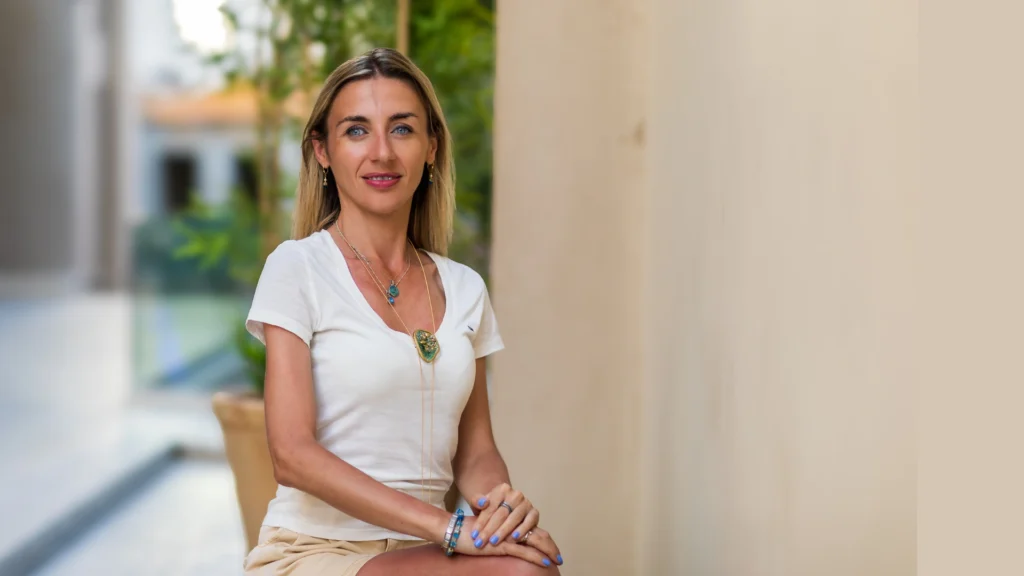
If this article resonated with you, know that what you are experiencing is more common than you might think.
Many of the senior professionals I work with arrive in Switzerland wondering whether they have lost the career they spent years building.
However, while working together, they have found a new way to communicate their experience, build trust, and become known in a different professional environment.
That journey does not begin with sending more applications.
It begins with understanding your leadership story, recognising the value you already bring, and taking intentional steps to build your reputation in Switzerland.
You do not have to figure it all out on your own.
If you would like an experienced partner to help you clarify your leadership identity, navigate the Swiss job market, and position yourself with confidence, I would be happy to support you.
Together, we can uncover what makes you a strong leader, translate your experience for the Swiss market, and develop a strategy that feels authentic to you.
If you are ready to take the next step, I invite you to book a strategy call. I would love to hear your story and explore how we can build the next chapter of your career together.